Digital health ventures
The technology works. The behaviour around it is the hard part.
We work with digital health ventures on the part that decides whether a good product lands: who adopts it, what they have to stop doing to use it, the pathway it has to survive, and the evidence a grant panel, an investor and a commissioner each need. We find out what is holding it before we recommend what to change.

health products we took from concept to deployment ourselves
in research and innovation funding won as authors
in digital innovation, across product, team and business contexts
01Does this sound familiar?
Four things we see in almost every venture.
Not weaknesses. They are the blind spots of being inside the problem, and a formulation surfaces them before they cost you a funding round.
- 01
People say they like it. That is not validation.
Finding people who are enthusiastic about your idea tells you very little. The research that changes what you build is the research that surfaces the real usage case, the real barrier and the thing they are using instead.
Adoption research
 02
02The deck wins the room. The evidence has to survive scrutiny.
A pitch that persuades and a body of evidence that satisfies an investor, a commissioner and a grant panel are different objects. Most ventures build the first and discover the gap late.
Evidence
- 03
Digital health products rarely fail on the technology.
They fail on the behaviour around them. The pathway, the onboarding, the culture of the team that has to use it, and the moment in someone’s day the product turns up. None of that is designed by accident.
Behavioural design
 04
04The team is outgrowing the founder.
The skills that get a venture to seed are not the skills that get it to Series A. The founder-to-CEO transition is a specific psychological problem, and it is one we coach at doctoral depth.
Founder and team
02Why it persists
Before we tell you what to change, we work out what is holding it.
Three questions, in plain English: what started it, what shaped it, and what is keeping it going. The third one is where the work is, because that is the loop the product has to break.
Case study
EpSMon: catching epilepsy risk between clinic appointments.
The clinic could not see into the gap between appointments.
Risk changed, nobody noticed, it was reviewed too late, and by the time it was reviewed the risk had moved again. A closed loop, invisible from inside the clinic, and no amount of better dashboarding was going to open it.
The winning move was not a better clinical tool. It was a check the person completes themselves each month, aimed straight at the return leg of the loop. You only find that by mapping the loop first.
03Case studies
Digital health products we have built and led.
Every product below went through the same loop we would run on yours: formulation first, real users from the start, evidence built in rather than bolted on.
-
BMJ and HSJ winner
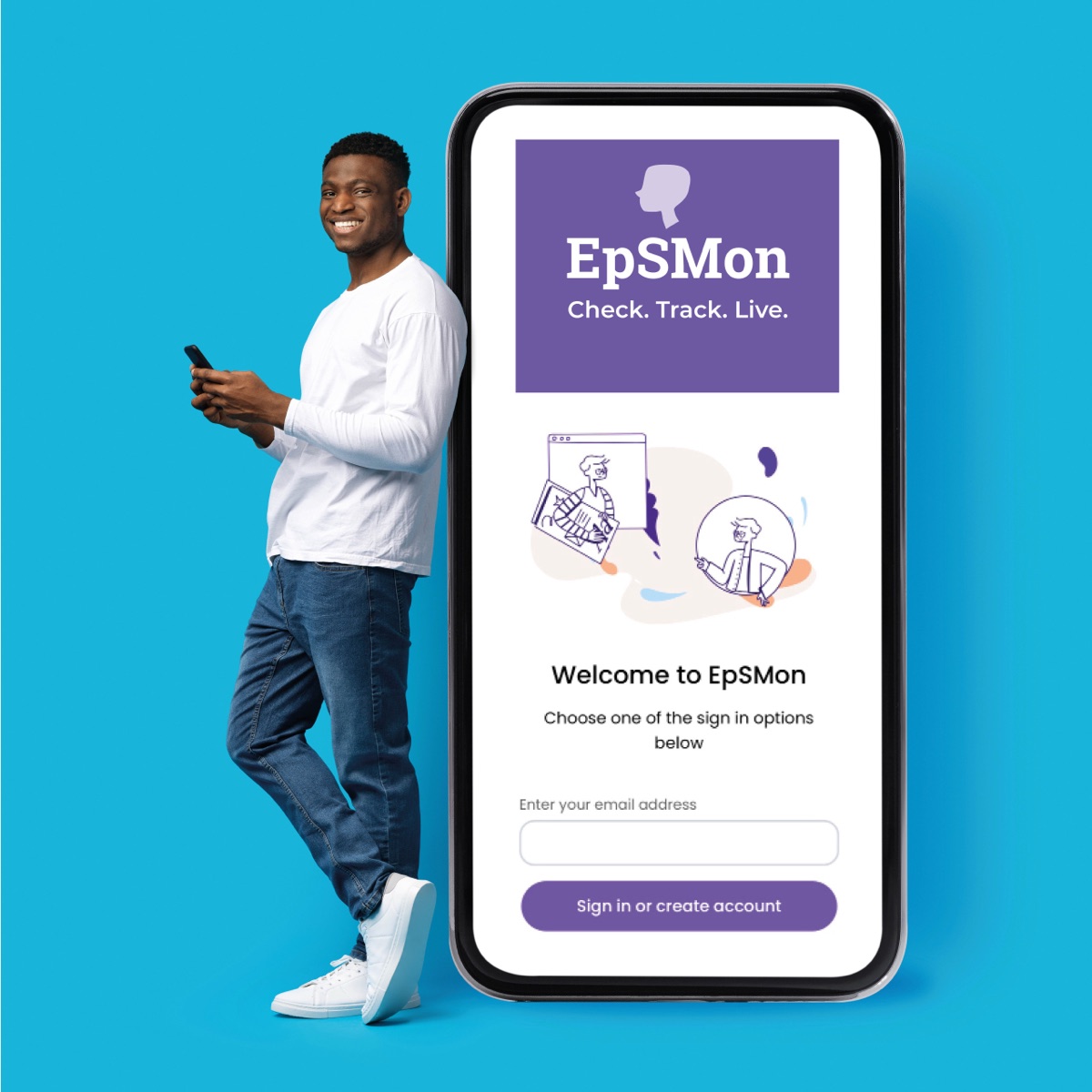
EpSMon
An epilepsy risk self-monitoring app, led from concept to clinical deployment for SUDEP Action and commissioned by the NHS.
Read the case study -

HSJ winner
ACEmobile
A tablet-based dementia assessment tool, widely commissioned, internationally adopted and the subject of numerous publications.
Read the case study -

Points of Light award
Project5
A full mental health service for NHS staff with a digital front door, built in weeks. More than 15,000 sessions delivered at no cost to the NHS.
Read the case study -

Our own product
ReNurture
A recovery product for people leaving coercive and abusive relationships, funded, partnered and evaluated with NIHR, Innovate UK and FemTech.
Read the case study
We have also helped others build theirs, including Group Works with Bournemouth University. More of that work is on the our work page.
04How we can help
Areas we can help with.
Craig or Cordet lead every piece of work directly. They are the people who do it.
-
Adoption
Adoption and user research
Who will really use it, the real barrier, and the thing they are using instead.
-
Evidence
Evidence and evaluation
Evidence that satisfies an investor, a commissioner and a grant panel, built in from the start rather than bolted on.
-
Behavioural design
Behaviour and pathway design
The onboarding, the pathway, and the moment in someone’s day the product turns up.
-
Founder and team
Founder and team coaching
The founder-to-CEO transition, and a team that is outgrowing how it started.
Every venture is stuck somewhere different. Tell us where yours is, and we will work out together where to start.
Discuss your venture“Coaching that shines a spotlight on what you say you want, and what you actually mean and do.”Founder, digital health venture, after one-to-one coaching
The people you meet are the people who do the work. No associate layer, no delivery pyramid.
Meet Craig and Cordet More of the work05Start the conversation
Tell us what isn’t moving.
Start with a 30-minute conversation with a senior psychologist. No preparation is required, and no sales presentation. Tell us what you are building, who is meant to use it, and where it has stopped moving.
Afterwards we will send you our initial view of what is likely to move it forward and what may be holding it back, whether or not you decide to work with us.
30 minutes · Senior psychologist · No preparation needed