Our work·Evidence and evaluation
Clinicians say they told them. Patients say they never heard. Both are telling the truth.
An 18-month NIHR-funded Research for Patient Benefit project with the University of Exeter, exploring how to improve communication about risk between people with epilepsy attending NHS clinics and their clinicians.
Risk communication in neurology. Research for Patient Benefit: an NIHR-funded grant.
What happened, and what came of it.
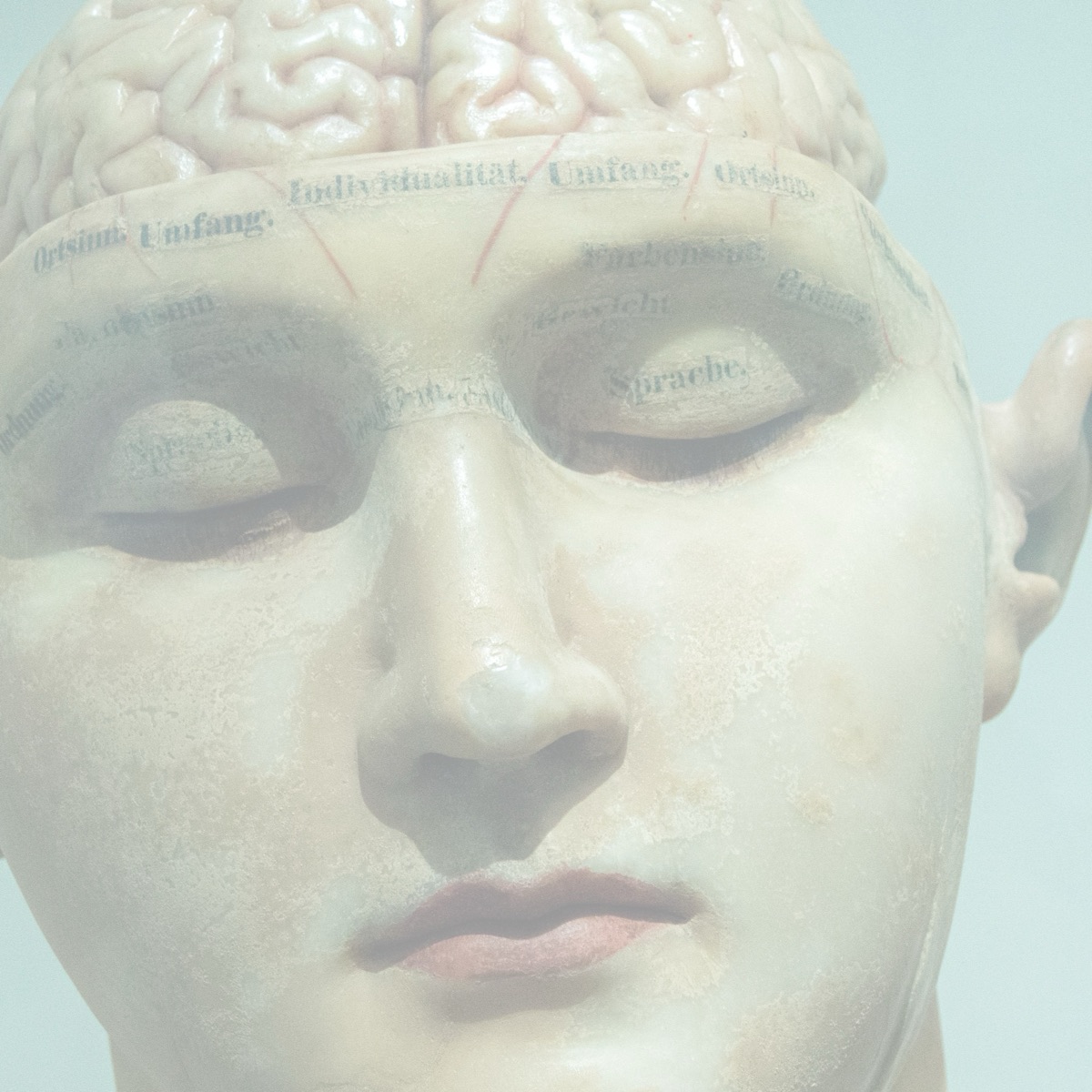
People with epilepsy, their families, families bereaved through epilepsy, charities and some clinicians share a concern: the risks of epilepsy, including to life, are not always clearly discussed.
Earlier approaches included a checklist, but people still report not having heard that there were risks, even when clinicians report telling them. The gap is in the conversation, not the intent.
The study applies conversation analysis, a specialist method for revealing how communication actually works, to explore how different phrasings change what a patient hears.
We observe clinic communication directly, gather reflections on it from people with epilepsy and clinicians, and take apart how people talk to each other to identify which phrases are most effective.
An opportunity to identify the optimum way of communicating risk, with the potential to save lives.
It is also the clearest example of the method underneath everything else we do: look at what is actually said before deciding what should change.
The published record
2 peer-reviewed papers.
The work behind this project, in the journals that reviewed it. Each one carries its DOI, so you can read it rather than take our word for it.
More of the work
Related cases.
A selection from the same strand. The wider archive is on the our work page.
From the same strand

Dorset Whole Schools Approach
Dorset Public Health
A county-wide evaluation of the Whole Schools Approach innovation funding strategy taken by Dorset Public Health. A full-scale evaluation process, a learning guide, and a regional webinar delivered back to every stakeholder, so the learning stayed in the county.

SUDEP and Seizure Safety Checklist
SUDEP Action and the checklist development group
A free, evidence-based tool that helps UK clinicians hold a real conversation about epilepsy risk in the clinic. Craig sits on the Adult Checklist Development Group, and our research team published the case-control validation of the risk factors it asks about, and the studies of what happens when clinicians actually use it.

GP TeamNet
Regional NHS implementation programme
We evaluated the journey and the learning from 18 months of implementation work with GP TeamNet, then turned it into implementation guidelines written to support national NHS spread.
Start the conversation
Something like this on your desk?
Tell us what you are trying to land and we will say honestly whether we have done something close to it before, and what we would formulate first.
30 minutes · Senior psychologist · No preparation needed